
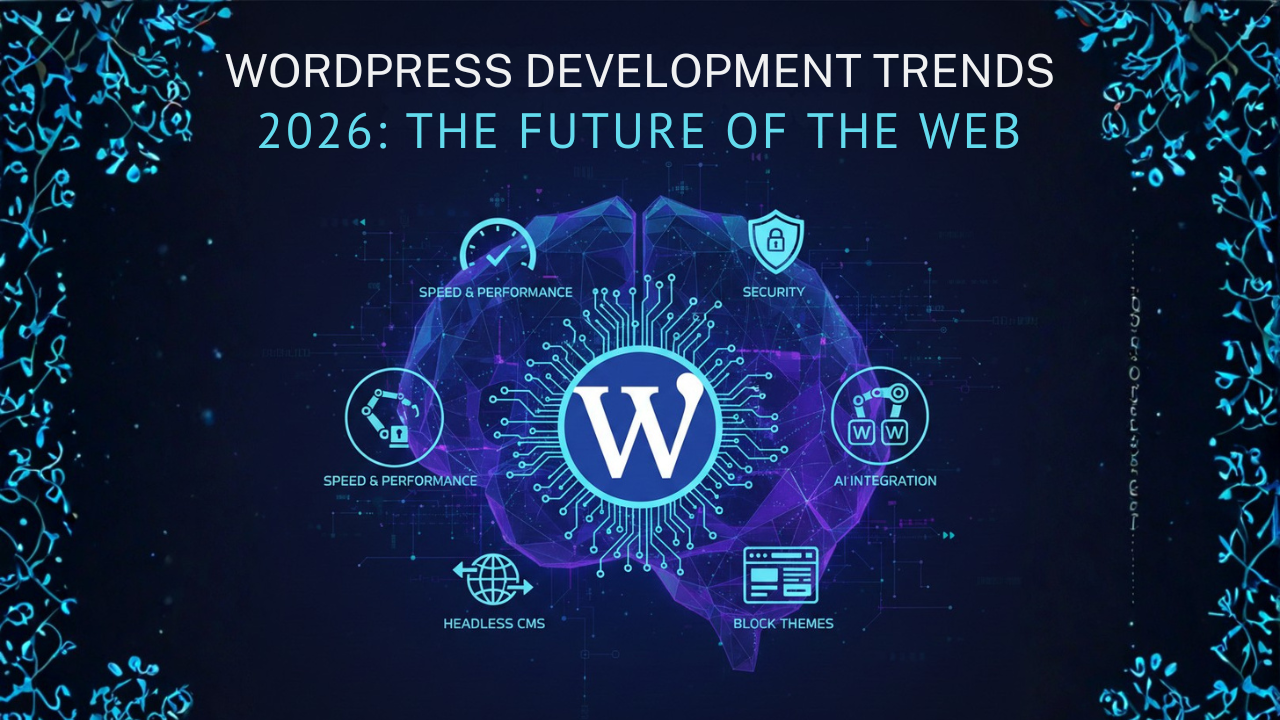
As we approach 2026, the WordPress ecosystem is shifting. The days of “bloat for the sake of beauty” are fading, replaced by a demand for precision, speed, and intelligence. If you are planning a site refresh or launching a new digital project, staying ahead of these curves is no longer optional—it’s a competitive necessity.
In this post, we’ll explore the key trends that will define WordPress development in 2026 and how you can prepare your business for the next era of the web.
1. The Block Editor Maturity Phase
For years, professional developers were hesitant to fully embrace Gutenberg and block-based themes. However, 2026 marks the year where block themes move from “experimental” to “essential.”
The benefit is simple: Cleanliness. By moving away from heavy third-party page builders that inject endless lines of unnecessary code, developers are creating leaner, more manageable sites. This shift allows for a much smoother admin experience, where business owners can edit their content without fear of breaking the entire layout.
2. Performance-First Architecture
The trend for 2026 is clear: Speed is a feature, not an afterthought. Users—and search engines—no longer tolerate three-second load times. We are seeing a massive move toward “minimalist” development. This means:
- Using lightweight, performance-optimized themes.
- Drastically reducing the number of active plugins.
- Prioritizing Core Web Vitals from the first line of code.
To support this need for speed, high-performance infrastructure is key. For those looking for reliable, high-speed server environments tailored for modern WordPress needs, Raksmart offers robust hosting solutions that can handle the demands of 2026’s performance standards.
3. Practical AI Integration
AI in 2026 isn’t about replacing the human element; it’s about augmenting it. Instead of gimmicky AI-generated sites that look “uncanny,” developers are using AI for:
- Automating SEO Meta-data: Cleaning up tags and descriptions at scale.
- Content Assistance: Generating outlines and fixing formatting in the backend.
- Code Optimization: Helping developers find and fix bugs in custom plugins faster than ever.
4. The Rise of “Headless” WordPress
One of the most exciting shifts is the mainstream adoption of Headless WordPress. By using WordPress as a backend Content Management System (CMS) and a modern framework like Next.js or React for the frontend, businesses get the best of both worlds.
You get the ease of use of the WordPress dashboard coupled with the lightning-fast, “app-like” feel of a modern JavaScript application. This architecture is becoming increasingly popular for businesses that want a highly custom user experience without sacrificing content management ease.
5. Proactive Security Culture
Security is no longer a “set it and forget it” plugin task. In 2026, security is built into the development workflow. This includes:
- Mandatory Two-Factor Authentication (2FA) for all admin accounts.
- Zero-Trust architectures provided by premium hosting providers.
- Regular automated security audits to catch vulnerabilities before they are exploited.
Final Thoughts
WordPress in 2026 is less about flashy animations and more about efficiency, security, and user experience. The goal is to build websites that are easy for clients to manage, incredibly fast for users to browse, and secure enough to handle the modern threat landscape.
Whether you are looking to modernize your current site or start a new project from scratch, keeping these trends in mind will ensure your digital presence remains relevant for years to come.
Leave a Reply